Hybrid conference
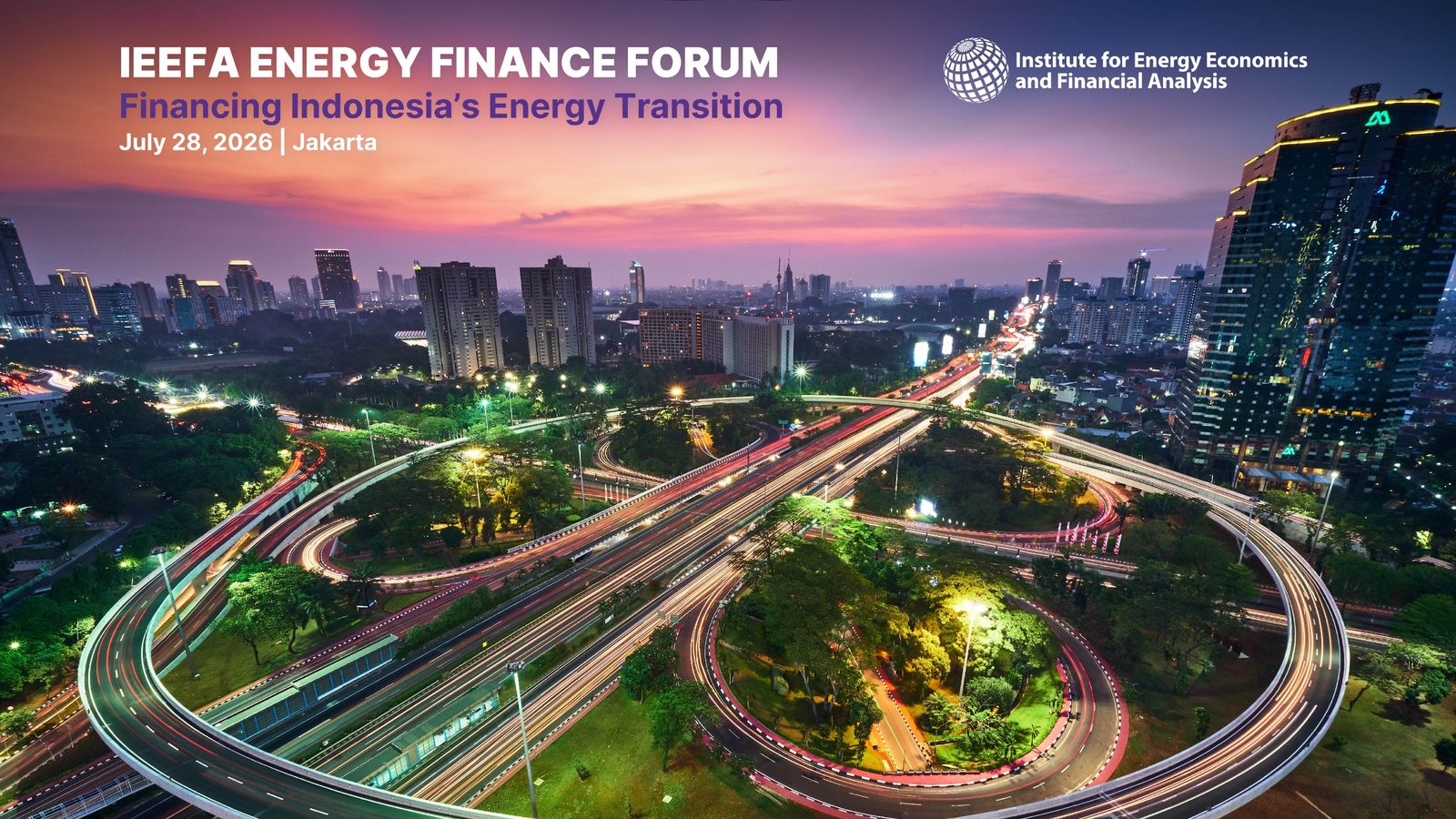
IEEFA Energy Finance Forum
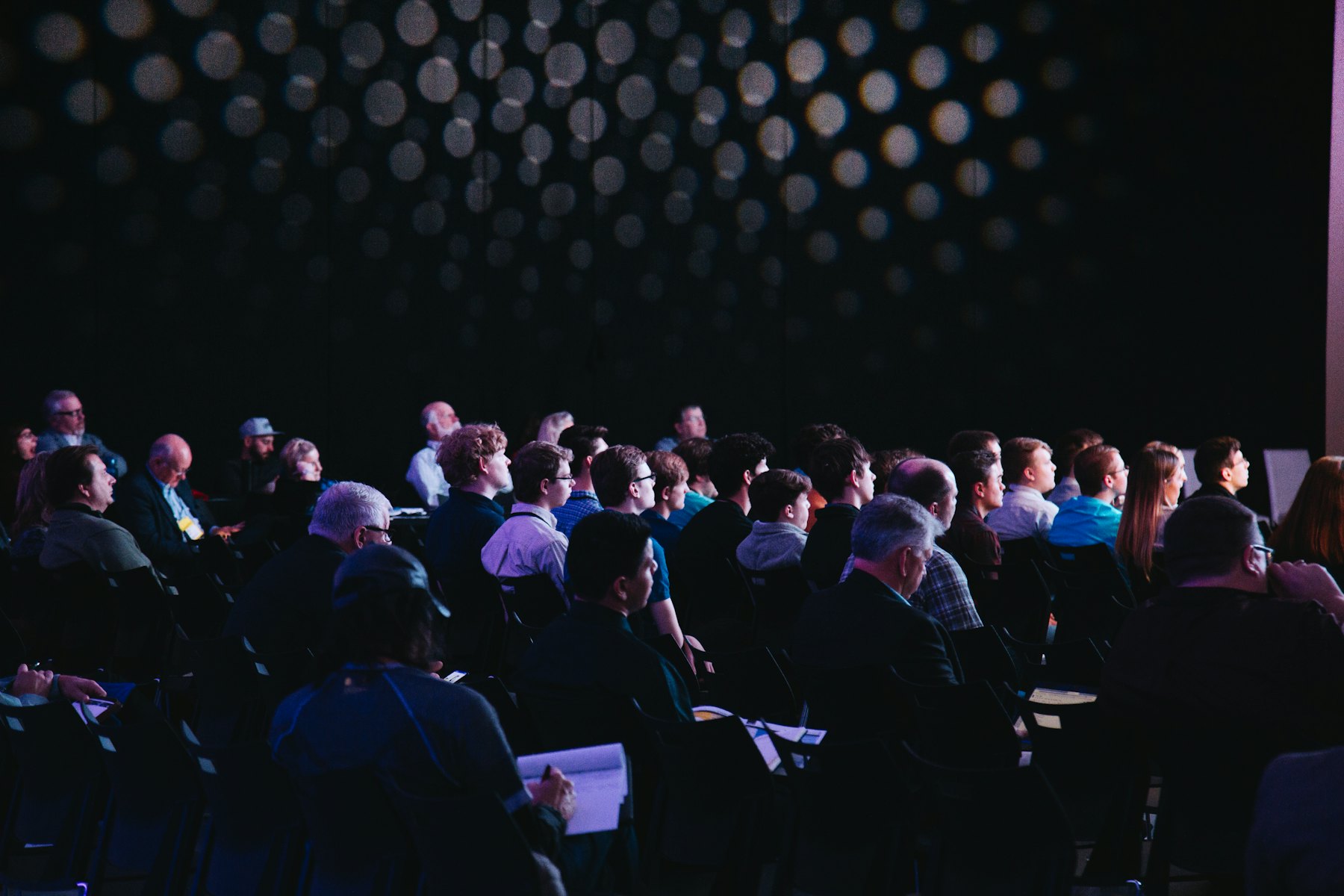
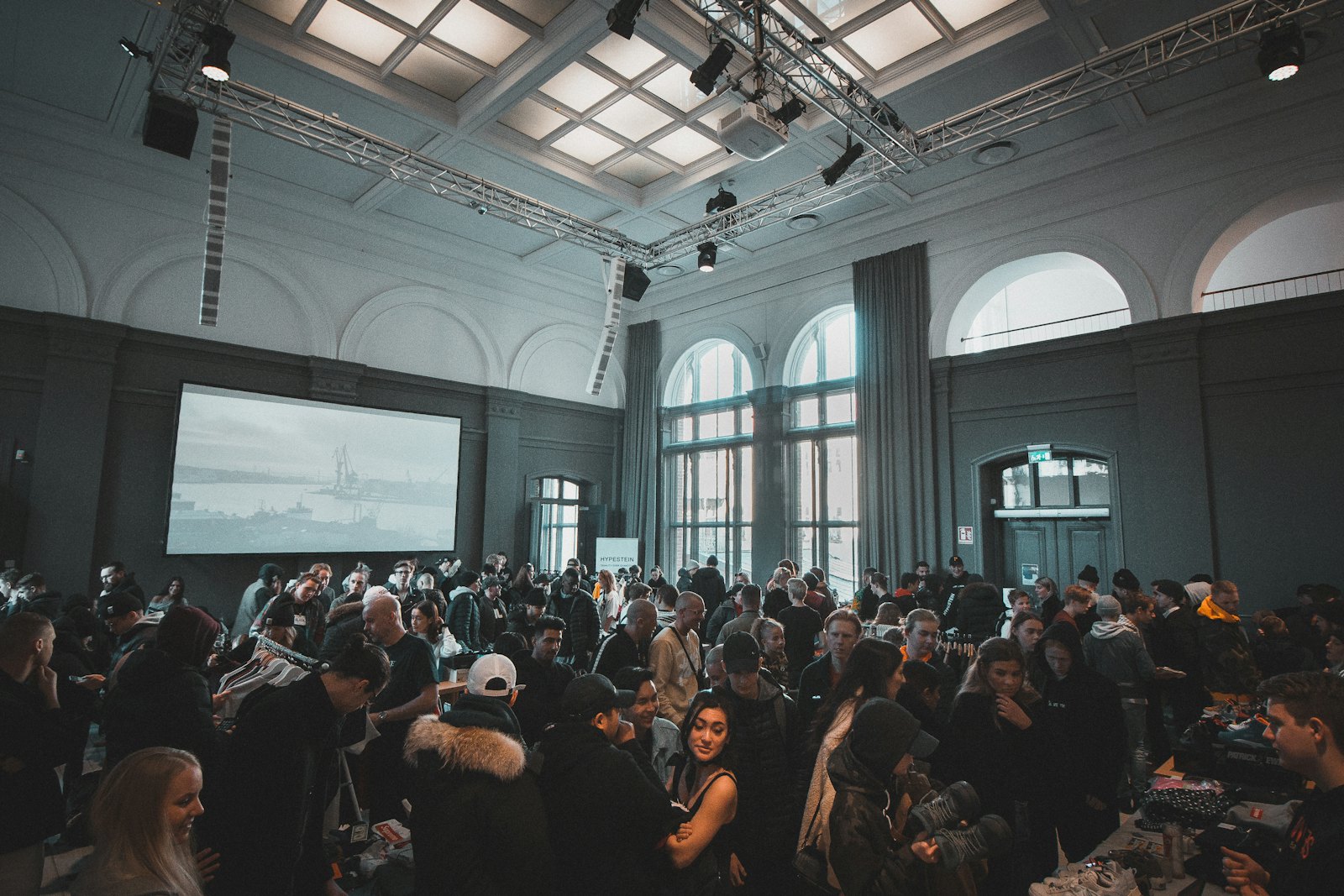
An invite-gated hybrid forum: a capped room at The Westin plus an online audience. Seats are held per channel, on-site guests get a QR badge, and the door team scans them in.
Registration & ticketing infrastructure
Three production registration systems, live below on seeded data. Register, approve, invoice, scan, export. The whole operation, not a form with a mailing list bolted on.
Five minutes, three roles. No sign-up, nothing leaves the machine.
One codebase
All three share a schema and a template set. What differs between them is a dictionary of flags: which channels exist, whether staff approve, whether money changes hands.
The line-up
Each is a full public site plus a staff back office. Click into any of them. They are running, not screenshots.
Hybrid conference
An invite-gated hybrid forum: a capped room at The Westin plus an online audience. Seats are held per channel, on-site guests get a QR badge, and the door team scans them in.
A dealer-network webinar where nobody gets in by signing up alone. Staff approve each registrant, approval sends the mail, the join link is single-use, and an e-certificate opens only after the event day.
The system the first two do not cover: money, teams and parallel rooms. Priced tiers with their own quota, group registration that badges every team member, promo codes, an invoice staff verify by hand, and a waitlist that promotes itself when a seat frees.
The pipeline
Six stages every event passes through. Which of them exist, and what happens inside each, is what separates the three systems.
1/6 Register
One form, shaped by the event. Free or paid, one attendance channel or three, an individual or a team of five. A duplicate email is caught on the way in and returned to its existing registration rather than creating a second one.
Not everyone who submits gets a seat. The room can be invitation-only, the tier can be sold out, registration can be closed. Each of those is a different answer, and the form gives the right one instead of a generic error.
A human decides. For the webinar that is an approval queue; for the paid summit it is finance confirming a transfer. Either way the registrant is waiting on a person, and the dashboard is where that person works.
The moment the attendee gets something real: a QR badge, an invoice, a personal joining link. Whichever it is, it is generated, mailed and reachable from a URL they can reopen on the day.
Two waves, H-7 and H-1, batched over one SMTP connection rather than one connection per recipient. Anyone approved after a wave has already shipped is caught up automatically on approval.
The door. A phone browser scans the badge, the dashboard fills in live, and a second scan of the same badge reports the original arrival time instead of counting the person twice. Afterwards, the certificate opens.
The morning of the event
Doors open once. Everything below exists so that hour goes quietly.
Capabilities
Top rows are table stakes. The further down you read, the more each diverges. A dash is a capability that event does not need.
What does your event need?
Swipe the table to see every system
Start here
Three roles, in order. Every step is a link into the running demo, so you can follow it straight through without deciding where to click next.
1
2
3
Next event
Whether money changes hands is the only other question. An existing system is usually live within two weeks.
+62 822 5888 0109 · Mon–Sat, 09:00–18:00 WIB